PCM Cooling Technology Series 5/6
PCM Cooling Fabrics for Industrial and Outdoor Workwear
Plan workplace trials of PCM cooling garments with attention to task, layering, laundering and comfort.
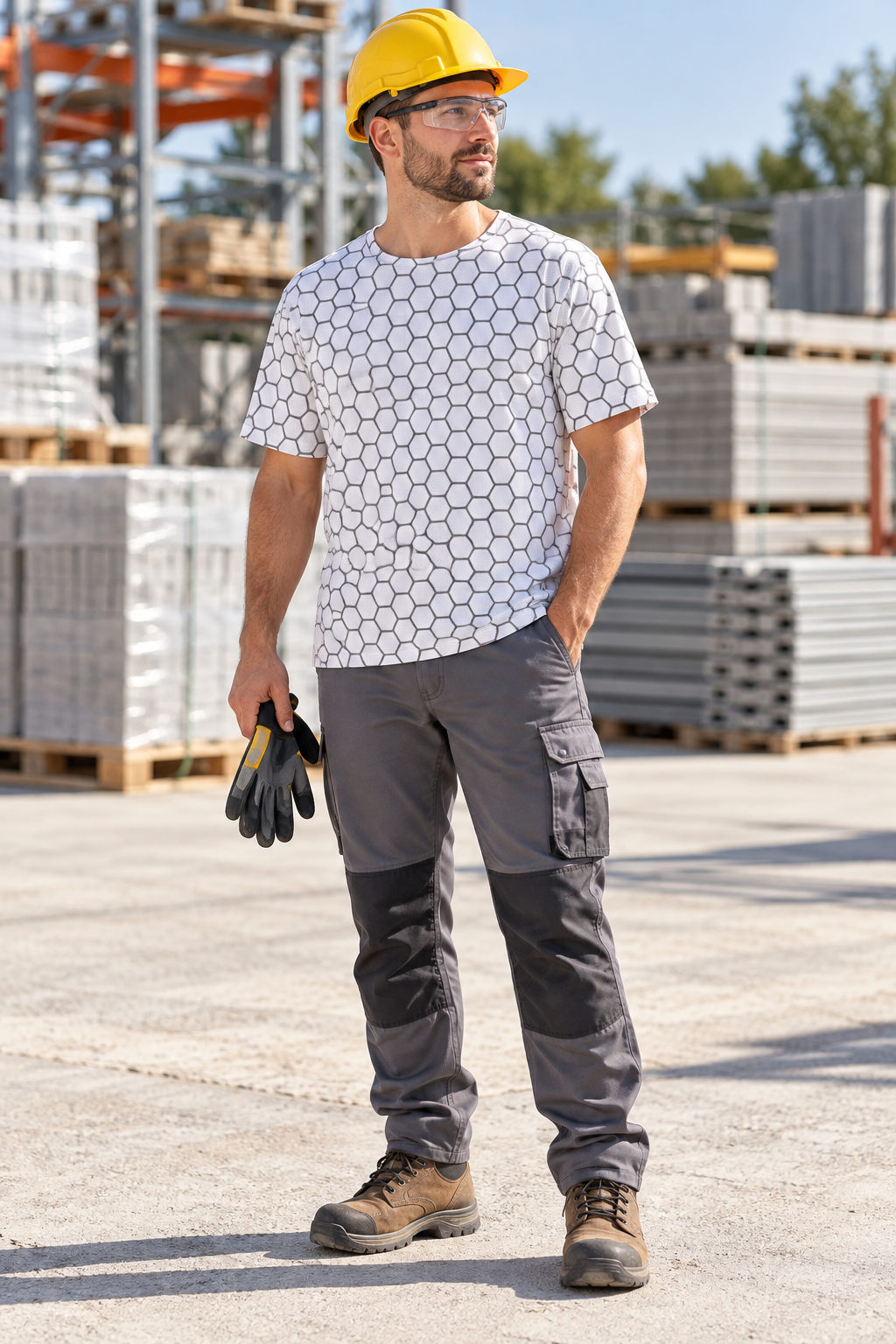
Begin with the task
Document where staff work, their activity, the length of each work period and what they already wear. A warehouse task, landscaping route and construction shift may involve different airflow and clothing layers. Use these details to define a realistic garment trial.
Check compatibility with work clothing
Assess movement, visibility requirements, snag risks and compatibility with existing protective clothing. A cooling T-shirt's appearance does not demonstrate compliance with protective-equipment requirements. Confirm any required certifications separately for the actual garment.
Design a useful wearer trial
Select a small group with representative tasks and sizes. Provide clear preparation instructions, record ambient conditions and collect feedback at consistent intervals. Compare comfort, mobility and care effort with the existing clothing. Treat subjective comfort and measured thermal results as separate findings.
Plan washing and replacement
Workwear needs repeatable care. Agree on laundering conditions, inspect fabric and seams after washing, and confirm whether the PCM system retains the intended performance. Keep a reference sample so future batches can be checked against the approved specification.
Define a practical rollout
Use trial feedback to settle fit, instructions and supply quantities before expanding the order. Include the garment within the employer's existing hot-weather procedures. Avoid treating a cooling garment as a substitute for the other measures required for the workplace.
Explore the PCM Product Range
PCM Phase Change Cooling Towel | PCM Cooling T-Shirt
Related Reading
Discuss Samples and Specifications
Send your intended use, quantity and product requirements. Our team can help confirm available samples and specifications.
Send Inquiry